Behind Unlimited: On the Color Pie
June 4, 2026 | Written by Tyler Parrott
When designing or developing cards for a trading card game like Star Wars™: Unlimited, it's necessary to design cards that do different things and at different power levels. After all, variety and discovery are core pillars of the TCG experience! But in order to effectively implement gameplay variety in a balanced way, it's important that not every card be playable in every deck. This is where the concept of a “color pie” comes from. A color pie is a distribution of abilities within a TCG into mutually-exclusive categories, each with its own unique flavor. (The “color” comes from the way they're visually distinguished from each other.)
I've gotten a lot of questions over the past couple years about how we allocate our card abilities amongst the cards in Star Wars: Unlimited, and with A Lawless Time being all about multi-aspect (a.k.a. “multicolor”) cards, I thought it would be fun to share a bit of the behind the scenes on how we think about the color pie of the game. I'll start with a brief introduction about why having a color pie is important, then talk about each of the four primary aspects, highlighting their primary mechanics and discussing why or how those abilities are illustrative of those aspects.
Unlimited Aspects
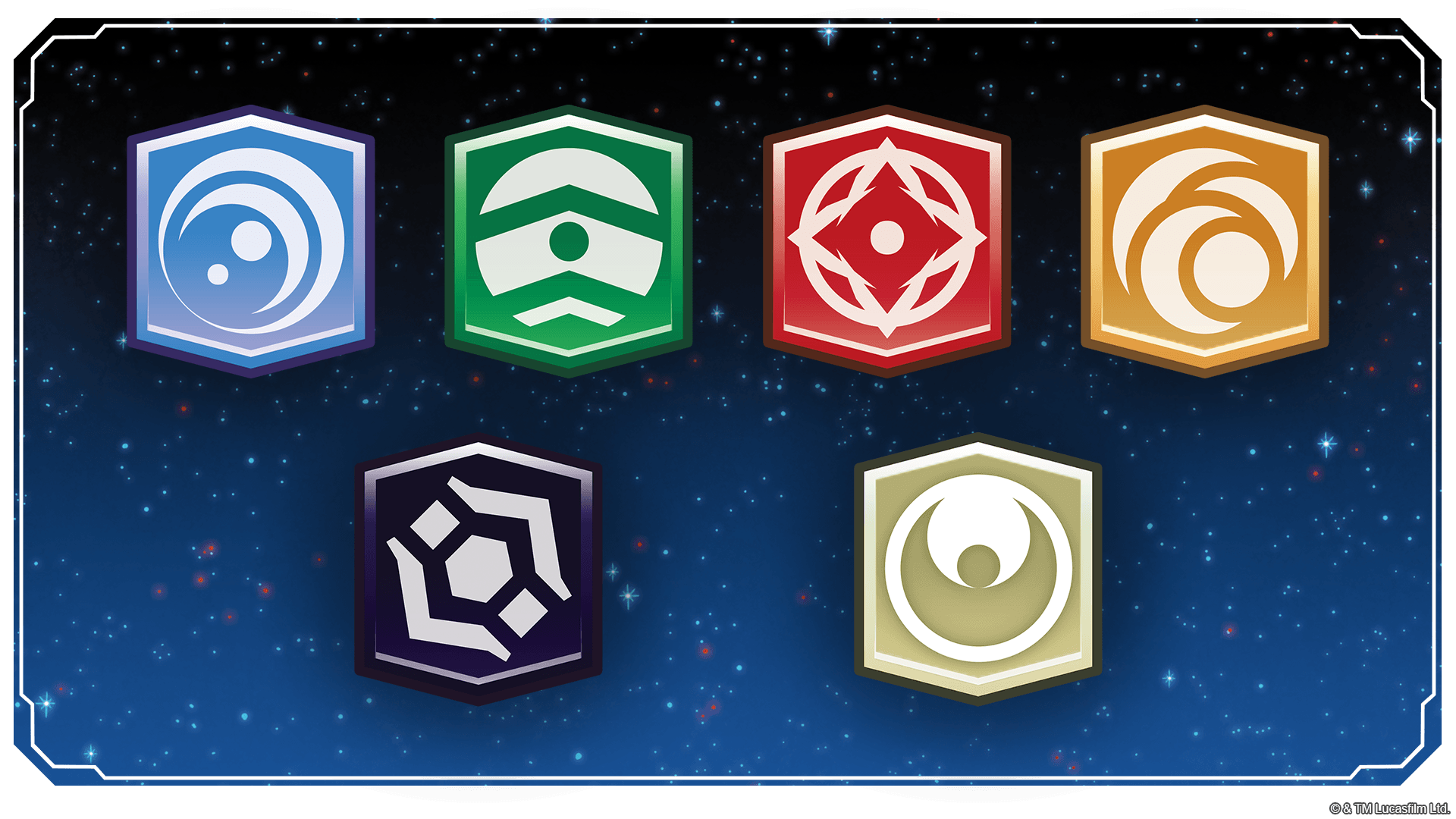
In talking about the aspects of Star Wars: Unlimited, it's important to start by pointing out that not all six aspects are treated equally in the design process, despite all of them functioning the same within the rules of the game. The card pool is split up into two categories: the four primary aspects (Vigilance, Command, Aggression, and Cunning), and the two alignment aspects (Heroism and Villainy). The four primary aspects can be acquired by a player's leader and base, but a deck normally has only one alignment, as that aspect can only be found on a player's leader.
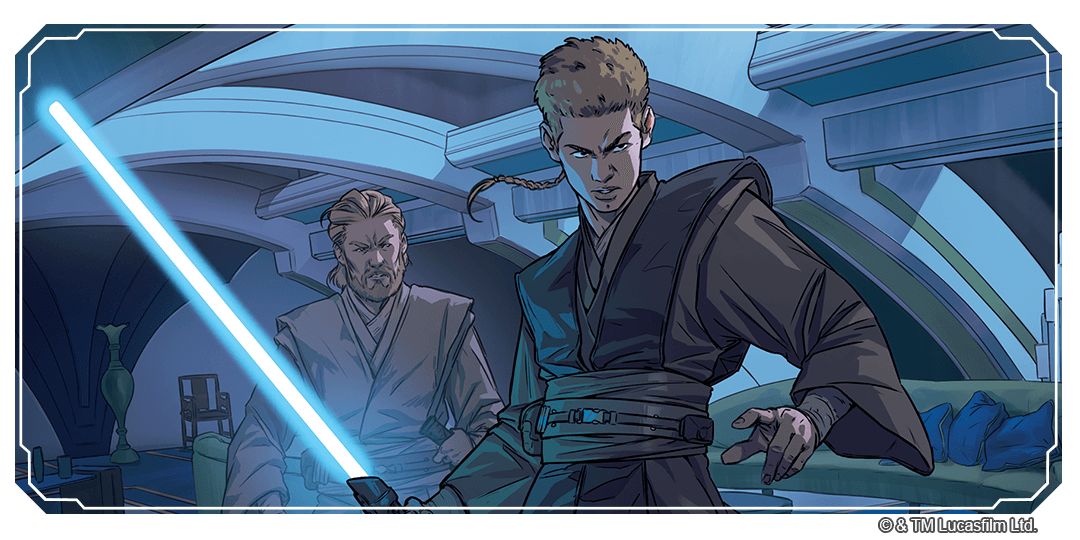
While the aspects are primarily a mechanical tool, they were given flavorful names and are also used to help communicate the theme of the cards we design. Any character could (theoretically) go on a card of any aspect, as the game is built on the foundation of representing characters and scenes as “moments in time.” The thing that defines a character's aspect, thematically, is how they're behaving in that moment in time. Is Luke Skywalker outsmarting Jabba the Hutt? Cunning! Is Princess Leia blasting her way out of a detention block? Aggression! Is Ahsoka Tano learning from her master? Command! And any of these characters could appear with a different aspect in a different context.
The way we distribute our abilities between the aspects is with a hierarchy of frequency. You'll see below that each aspect is given some “primary” mechanics, which are mechanics we expect to appear in every set, and some “secondary” mechanics, which are mechanics we expect to appear often, but not in every set. There are also “tertiary” mechanics, which are not listed below because they don't appear that often and I don't have space to cover them today. (Maybe I'll cover the aspects in greater depth in future articles.) You'll generally find that an aspect's primary mechanics define the play pattern of that aspect, and the secondary mechanics are tools available to that aspect to fulfill specific design goals.
Important Disclaimer: While the core pillars of the color pie have not changed since they were originally established in Spark of Rebellion, some of the details for how we execute on those core concepts have shifted one way or another over time. You will be able to find exceptions to many of the abilities listed below; sometimes those exceptions to the rule helped clarify the fundamentals described after the fact.
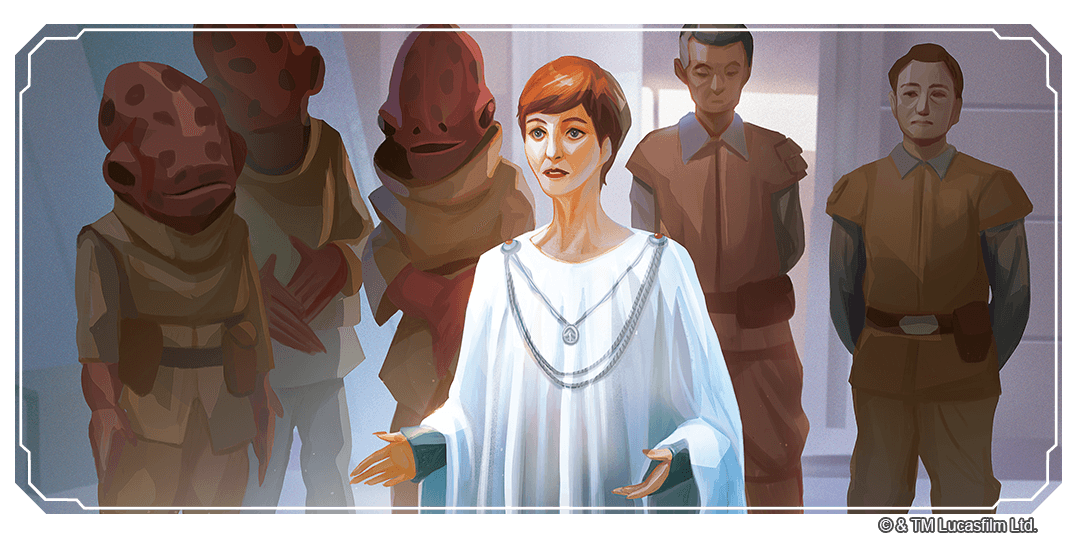
Vigilance
Vigilance is the aspect of survivability and mastery, defined by abilities that protect its units and its base. It is the default “control” aspect due to its predisposition towards protection and restoration, whether by healing itself (and its units) or by removing threats that would cause it to lose the game. It places restrictions on how the opponent can use their cards but doesn't directly defeat or discard non-unit cards. When a Vigilance deck wants the game to end, it does so with individually powerful units: either expensive units that can't be stopped due to their resilience, or cheaper units that have grown to overwhelming power through the use of upgrades. Proactive strategies in Vigilance are defined by singular champions, and it leverages its survivability tools towards keeping that champion alive long enough to end the game.
Thematically, Vigilance is the aspect of defense, protection, training, and individual strength. A character would be Vigilance aspect when that character is focused on preservation (either of themself self or of others), or when that character is focused on solitary strength and/or self-improvement. Heroic characters in this aspect tend to be compassionate and protective. Villainous characters in this aspect tend to be selfish and suspicious.
Primary mechanics in Vigilance include:
- Defeating enemy units and reducing their power/HP
- Healing bases and the Restore keyword
- Healing units
- Sentinel keyword
- Having high HP
- Upgrade cards matter
Secondary mechanics in Vigilance include:
- Once per round card draw
- Defeat rewards & When Defeated abilities
- Exhausting units
- Experience tokens
- Grit keyword
- Shielded and Shield tokens
As the most defensive aspect, Vigilance gets basically all of the defensive tools. Sentinel units and healing bases (usually with the Restore keyword) ensure that a Vigilance deck doesn't lose the game easily, and the variety of non-damage-based removal effects help protect it from major threats. Because Vigilance usually plays for the long game, a lot of its value is maximized by extending the game into later rounds, whether by drawing cards once per round or by allocating its most powerful effects to its most expensive cards. Cards of this aspect also prioritize risk mitigation, whether through an abundance of When Defeated abilities (so losing board presence is less bad) or through card manipulation (to mitigate the randomness of their deck). Vigilance decks can be proactive when they need to be, either with expensive late-game bombs or with a bunch of upgrades on a unit. The reason they lean so hard on the “solitary champion” concept is because when they want the game to end, they want to do so in as few actions as possible, to minimize the risk of their opponent having an answer for their singular threat.
Every aspect must have weaknesses, and the weaknesses of Vigilance are all related to the fact that the aspect is fundamentally reactive. Unlike other aspects, which can often apply pressure to limit the opponent's options, Vigilance cards often allow the opponent plenty of time to enact their strategy. It lacks units that can apply early pressure, because Vigilance units have the lowest average power, and its most efficient cards tend to be higher cost with a more decisive effect. The most reliable removal in this aspect generally costs 4 or more resources, meaning that Vigilance decks are often vulnerable to early pressure and must rely on Sentinel units and base healing to catch back up in the mid-game. Vigilance assumes that it will be able to withstand whatever the opponent brings to the table and it will eventually win, so it doesn't pressure the opponent into changing their strategy.
Command
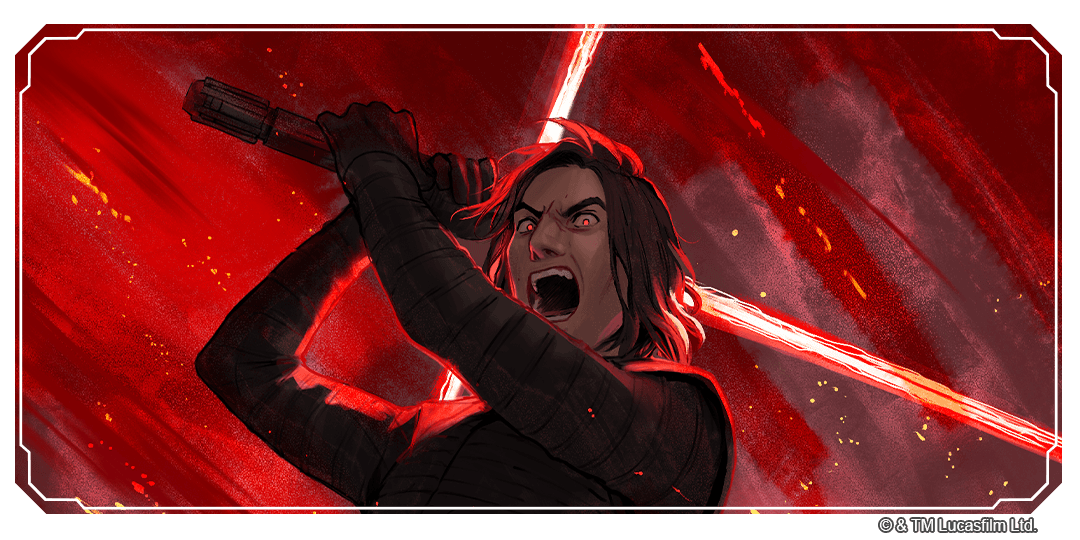
Command is the aspect of units and resources. It has exclusive access to proactive resource acceleration, it has the most units, and most of its synergies revolve around acquiring, strengthening, or maximizing those units. A defining feature of the aspect is that it is the most straightforward: it usually “plays fairly” and it maximizes the game's primary mechanic of “playing units and attacking with them.” Of all the aspects, Command is the least interested in disrupting the opponent, and the most interested in growing its own game elements. It has a strong “unit-on-unit combat” theme to maximize the numbers advantage it has over other aspects. Being focused on units, resources, and growth, Command is the aspect with the potential to play the most—and the biggest—cards in the game.
Thematically, Command is the aspect of leadership, hierarchy, order, and bureaucracy. A character would be Command aspect when that character is leading or following others within a structured hierarchy, or when that character is trying to advance the goals of the organization they are a part of. Heroic characters in this aspect tend to be collaborative and loyal. Villainous characters in this aspect tend to be autocratic and exploitive.
Primary mechanics in Command include:
- Unit keywords, especially Ambush, Overwhelm, Restore, and Sentinel
- Temporary stat buffs and payoffs for having large units
- Resource acceleration
- Rewards for having many units
Secondary mechanics in Command include:
- Attacking enemy units
- Capture
- Experience tokens
- Raid keyword
- Units as an expendable resource
- Rewards for playing units
- Unit tokens
Because Command cards are so focused on growth and expansion, they tend to include some of the largest and most expensive units in the game. Every aspect wants to play units, but Command is the aspect that really maximizes what its units can do. It has access to almost every unit keyword in the game, and it has tools that allow its units to attack in contexts where they otherwise wouldn't, with keywords like Ambush and cards like Dogfight (Jump to Lightspeed, 123). It also utilizes most of our resource mechanics, including accelerating its resource production (to play cards and deploy leaders early) and accessing its resources during the game such as with the Smuggle keyword. It uses Experience tokens liberally to modify and improve its units over time, ensuring they can stay dominant on the board. And given that it often prioritizes having lots of units in play, Command also tends to get the greatest access to unit tokens, based on what those tokens can do.
With Command so focused on generating, modifying, and ramping into units throughout the game, the aspect's greatest weakness is its dependence on them. If Command decks ever find themselves with no units in play, they will struggle to find a stable footing. Additionally, since Command's response to a threat is to expand and overwhelm the threat, it tends to have the least access to direct disruption of the opponent. The only way that Command can deal with enemy units outside of normal combat is by capturing them (a mechanic that itself is dependent on having units) or by using extra attacks with Ambush and Dogfight-like effects. You'll also notice that, for an aspect that's so dependent on attacking with units, Command tends to struggle in arenas it has no presence. Command's tools to deal with threats are generally limited to the arena they're in, and it can't stop an uncontested arena without first playing units into that arena.
Aggression
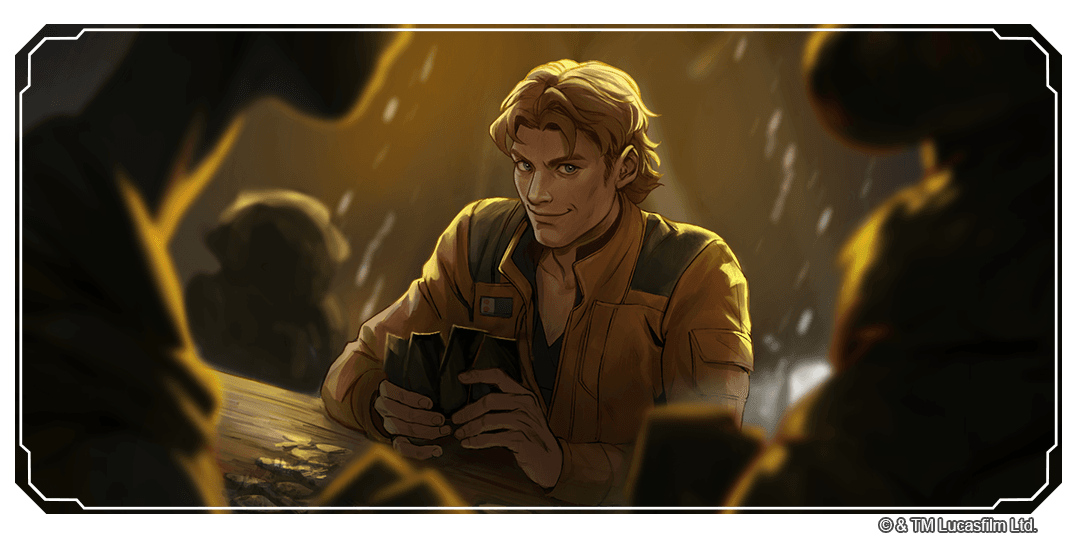
Aggression is the aspect of direct action. Whatever an Aggression card wants to do, it's going to do that thing efficiently and without letting the opponent get in the way. This leads to the most straightforward Aggression cards being very…well, aggressive. They take the shortest path toward winning the game. It also means that control cards in Aggression are highly focused: they deal damage to exactly what they want defeated, and when they draw cards, they do it all at once. Aggression is also equipped to push through their opponent's defenses in a unique way, using keywords like Saboteur and Overwhelm to bypass Sentinel units or by using defensive abilities like Hidden to make removing its attackers difficult.
Thematically, Aggression is the aspect of direct confrontation, impulsive boldness, and passion. A character would be Aggression aspect when that character is directly confronting their enemies, ignoring the odds, and/or hunting for an objective. Heroic characters in this aspect tend to be bold and assertive. Villainous characters in this aspect tend to be aggressive and destructive.
Primary mechanics in Aggression include:
- Attack bonuses and offensive unit keywords such as Overwhelm, Raid, and Saboteur
- Card draw
- Direct damage to enemy units and bases
- Hidden keyword
- Readying units
- Upgrade destruction
- High-power units
Secondary mechanics in Aggression include:
- Damaging friendly units and the Grit keyword
- Rewards for dealing damage, especially to bases
- Discarding cards from a player's hand
- Initiative matters
The mechanical identity of Aggression is built around being active. Many abilities reward or support attacking with units, and Aggression cards deal damage often as a way of either directly manipulating the board state or directly advancing its win condition. There are a lot of tools in Aggression's toolbox, but that's because those tools tend to be more specialized: defeating upgrades or drawing multiple cards at once isn't something most decks want to do often, but when an Aggression deck needs to do get the job done, it has exactly that tool available. In practice, Aggression tends to use damage as its primary tool to interact with opponents, as there are lots of ways to use damage to achieve goals during the game. Its offensive nature lends Aggression decks toward having high-power, low-HP units such as Death Star Stormtrooper (Spark of Rebellion, 128), and it uses the Hidden keyword or readying abilities like Bravado (Shadows of the Galaxy, 182) to help ensure those units get to resolve their attacks when and where they're needed.
For an aspect as active as Aggression, you may not be surprised, then, to learn that it has trouble defending itself. The defensive tools that Vigilance prioritizes are almost nonexistent in Aggression's toolbox: there are no Sentinel units, no healing, and no passive restrictions on the opponent's strategies. Therefore, Aggression decks have a hard time rebounding when they fall behind in the damage race. In order for an Aggression deck to succeed, it usually needs to be applying enough pressure to the opponent's strategy that they have to be the one to change plans. This assertive style of play is actually a prominent weakness of the aspect, in that Aggression cards tend to embrace a more high-risk, high-reward playstyle. This is evidenced not only in the lack of defensive tools, but also in the fact that the aspect has the lowest average HP among its units and often has abilities that require you to damage or discard your cards for their benefit. Sometimes this risk pays off and results in a decisive victory, but sometimes it results in a catastrophic defeat.
Cunning
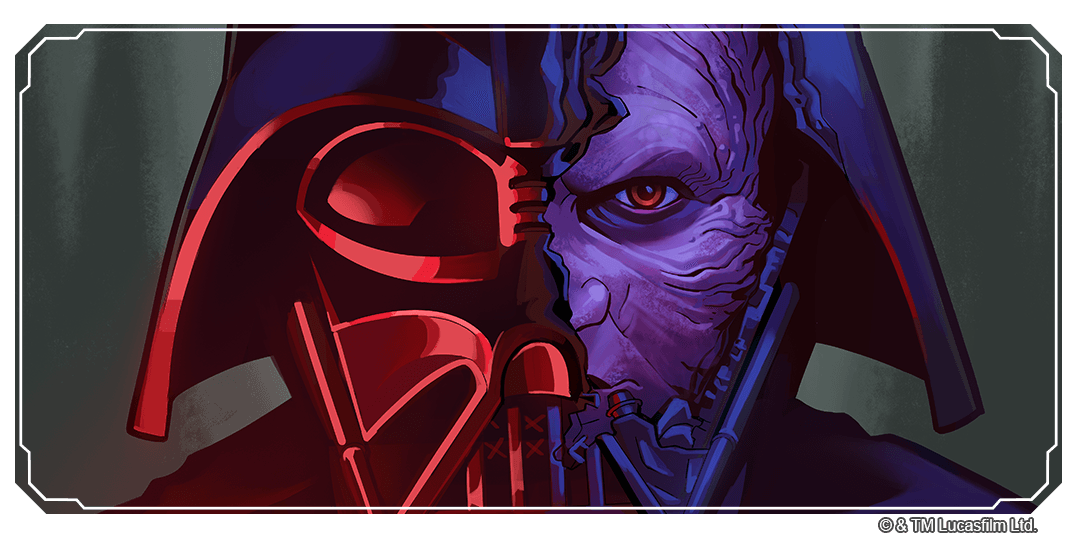
Cunning is the aspect of disrupting your opponent in the moment. It highly prioritizes immediacy, as the less your opponent can see coming, the harder it is for them to plan effectively. This means it has the most (and the strongest) “When Played” abilities, and it has the most events out of any of the aspects. It also has the greatest number of efficient, small space units, as it tries to leverage evasion (being in the space arena) over size. In general, Cunning has the smallest units and the hardest time generating long-term value (such as drawing cards). These counterpart powerful immediate effects—events, Ambush, “When Played” abilities—and units that are hard to defeat and/or carry powerful abilities. Cunning tries to control the opponent's ability to act in the moment as a means of self-protection as it enacts its primary strategy.
Thematically, Cunning is the aspect of “tricks and nonsense,” unpredictability, and immediacy. A character would be Cunning aspect when that character is relying on their wits, trying to outsmart their enemies, and/or acting impulsively. Heroic characters of this aspect tend to be clever and unpredictable. Villainous characters of this aspect tend to be untrustworthy criminals and schemers.
Primary mechanics in Cunning include:
- Ambush keyword
- Attack bonuses and the Raid keyword
- Exhausting units
- Hidden keyword
- Returning units to their owner's hand
- Saboteur keyword
- When Played abilities
Secondary mechanics in Cunning include:
- Capture
- Events matter
- Targeted hand disruption
- Readying and exhausting resources
- Shielded and Shield tokens
- Asymmetrical combat damage
With this aspect, everything is about tempo and immediacy. Many players have commented that it feels like Cunning is the strongest aspect, which is because the aspect's strengths align with what's naturally good in the game. (This has been a learning curve for us in development!) Temporary board advantage with capture, exhaust, and return-to-hand abilities, immediate value from the Ambush keyword and When Played abilities, and getting more cards into play early with resource readying all allow Cunning to play fast and get ahead early. The aspect uses attack bonuses to surprise the opponent with unexpected damage while protecting itself with Hidden, Shield tokens, and Shoot First (Spark of Rebellion, 217)-style effects. Cunning is especially equipped to temporarily disrupt the opponent's plans through surprise attacks, resource exhaustion, or hand disruption. While both Aggression and Cunning share access to hand disruption, they don't use it in quite the same way: Aggression discard effects are used as a card advantage tool and always give the opponent a choice in what gets discarded, while Cunning discard effects are used as a strategy-disruption tool and almost never give the opponent a choice in what gets discarded.
What advantages Cunning decks can gain by being fast, they do so at the cost of losing value over time. Temporary advantages like Waylay (Spark of Rebellion, 222) and Sanctioner's Shuttle (Twilight of the Republic, 213) naturally result in card disadvantage, as those benefits are temporary, and Cunning decks don't have effective tools for making that card advantage back up in a long game. Cunning decks must maximize immediate advantages since they're ill-equipped to generate value over time: they mostly lack access to incremental growth effects like Experience tokens, card draw, and naturally large units. If a game goes on too long, Cunning decks should lose ground against more grindy aspects like Vigilance or Aggression.
Compliments and Counterparts
But what about Heroism and Villainy, you ask? I'll talk about them in a future article, as those two aspects exist on a different axis than the four primary ones. Heroism and Villainy do have their own features and quirks, but they operate largely as different flavors of “colorless” for the purpose of the color pie, as (almost) every deck is guaranteed to have access to one of the two alignment aspects. Rather than having a defined color pie distinct from the four aspects described above, these two aspects are used to add depth and variety to the existing aspects. Perhaps most importantly, we use these two aspects to create mutually-exclusive card pools to help prevent the strongest cards of any individual aspect from being played with each other. If you want a powerful finisher like Rey (A Lawless Time, 149) then we don't want you playing that card in the same deck as super-efficient ramp like Director Krennic (A Lawless Time, 8)!
I hope you've found this overview of the color pie of Star Wars: Unlimited interesting. It was built with a great amount of thought, deliberation, and intentionality as we were designing the first card pool for Spark of Rebellion, and I continue to be impressed at how well it's held up internally. There will naturally be some shifts over time, as the card pool expands and we find new needs or weaknesses with the system, so I imagine I'll be coming back to this topic every once and a while to check in and see how our design philosophies have grown.
Until next time, may you feel inspired to try something new.
Share This Post