Secrets of Limited Play
December 17, 2025 | Written by Dan Green
Since the launch of Star Wars™: Unlimited last year, players have enjoyed a wide variety of ways to experience the game's thrilling strategy and intense back-and-forth action, from the most competitive Premier tournaments to casual nights playing Twin Suns with friends. But outside of constructing their own deck for those gameplay modes, many players have also had the opportunity to fall in love with the game's limited formats at their local gaming store or at larger conventions. Whether exploring a new expansion with others at a local game store's prerelease sealed event or grinding prize wall tickets at the draft side events of a Sector Qualifier, these limited formats challenge players to think on their toes and build a deck from only what they open or draft from booster packs at the table. That restriction creates a format where every player starts on an even playing field, and skill and fundamental game understanding are paramount to success.
Season One of the Star Wars: Unlimited Organized Play program kicked off with Legends of the Force, which included our first major event with a Limited format: the Philadelphia Sector Qualifier, where 473 players matched wits in a 6-booster-pack sealed format Day 1, with top performing players moving on to a Day 2 draft to test their mettle another way. While some might be concerned about pack-opening luck playing a large role in the event, the results of the Philly Sector were clear: high-skill, high-performing players consistently made it to Day 2 and into the Top 8, making a strong case for the format's integrity as a test of skill and strategy.
And now, as we sneak towards the Competitive season for Secrets of Power, this marks a perfect time for players to think more deeply than ever about the game's limited formats. With more limited qualifier events to come, players eager to test their own skill can start preparing as early as their local game store's prerelease, learning what works and what doesn't for the first time with other players. Following that up with attending more local sealed or draft events is a surefire way to hone those skills further, but to help you get a jumpstart on the process, let's dive into some of the basic strategy of Secrets of Power's limited formats so you can make the most of your first experience!
Keywords to Success
With every new set comes a host of new keywords and mechanical focuses, and Secrets of Power has several to be aware of. Some limited formats can entirely revolve around these focuses, like Legends of the Force did with the Force trait and Force token. But with Secrets of Power, it's more likely to be dependent on your pool, outside of a few quirks to consider. Let's dive into each of the main new mechanics to figure out what to watch for.
Plot
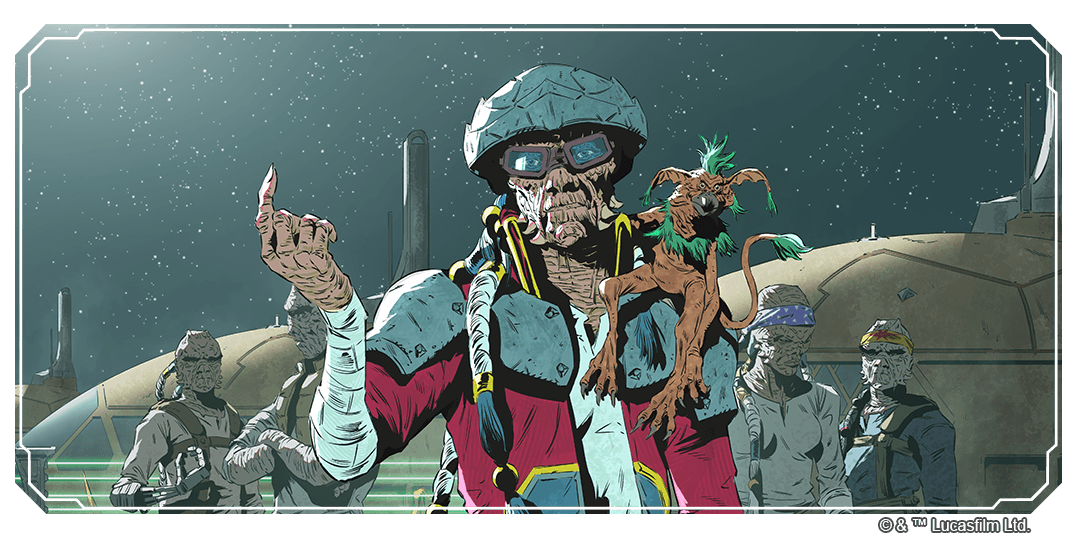
I'm valuing cards with Plot very highly in Secrets of Power; having the ability to play them compressed into your leader flip action, and without going down on hand size or resources, is strong from just about every angle you can think of. Cards like Armor of Fortune (Secrets of Power, 70) can ensure your leader sticks around to do some damage, while Hondo Ohnaka (Secrets of Power, 140) can give your units a ton of extra punching power while the act of Plotting him into play saves you an action, making it easier to take the initiative going into the next turn and threaten even more damage. In the sealed format, I'll be jamming nearly every Plot card that fits my best aspects into my deck, while in draft, I'm going to be looking out for the most powerful hits. Cinta Kaz (Secrets of Power, 172) will likely swing many games in your favor, while simple Commons like Unveiled Might (Secrets of Power, 123) will still overperform on already threatening leaders like Cassian Andor (Secrets of Power, 12).
If you are lucky enough to open or draft some Plot Rares or Legendaries, you're in luck: those might be some of the swingiest cards in the set! Since attacking is the primary means of board control in limited formats, Chancellor Palpatine (Secrets of Power, 82) can all but guarantee your leader lasts another turn, and he otherwise represents a massive 6 damage for 3 resources when your opponent isn't able to deal with the Spies. In the space arena, the splashy legendary Vigil (Secrets of Power, 50) can be so backbreaking against an opponent with no way to challenge it that it's worth holding off the deploy of your 6-resource leader like Leia Organa (Secrets of Power, 4) just to get to protect her with it.
Disclose
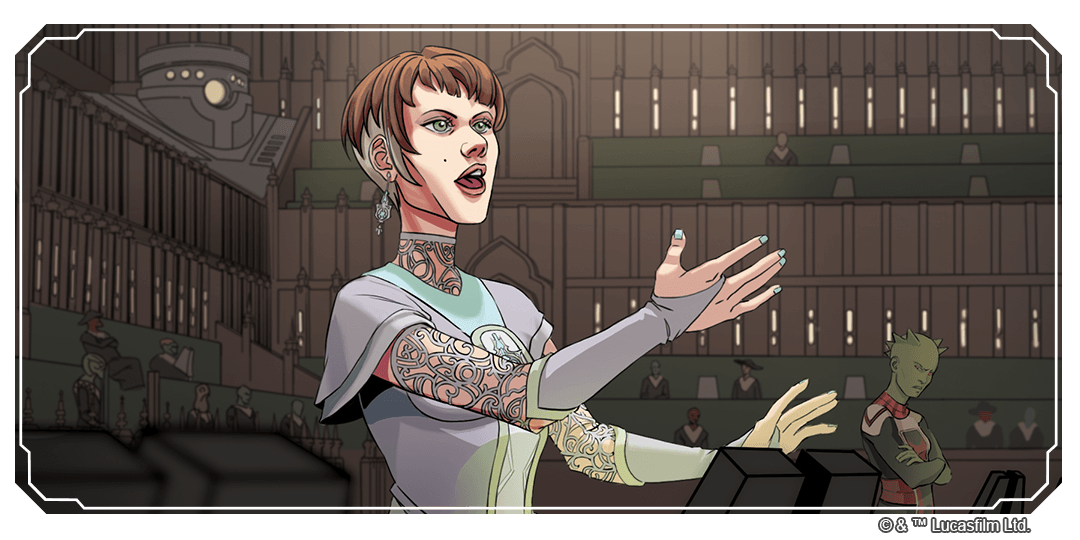
Effects with disclose are only as good as your ability to disclose them, so when we look at the mechanic from a limited standpoint, the biggest impacts will be on deckbuilding and turn-to-turn tactical choices. Cards like Mina Bonteri (Secrets of Power, 94) will be entirely playable even without meeting the disclose requirement just due to having a decent statline, but the disclose ability may shift how you are deciding to resource or play cards each turn to try to squeeze out that extra value. On the other hand, the cycle of “Charged With” events—such as Charged with Murder (Secrets of Power, 76)—are interesting in that more cards of that aspect are required both in-deck and in-hand in order to use them. This means they are not really playable off-aspect, and they're even trickier to play when they aren't in your most dominant aspects when deck building.
An inability to effectively splash these cards may seem minor, but many of the set's removal options are very conditional. For instance, the core removal option in Vigilance at Common-rarity is Retaliation (Secrets of Power, 77), which requires that the problem unit already dealt damage to you to defeat it, knocking it down a lot in utility compared to past options like Vanquish (Spark of Rebellion, 78) and Rival's Fall (Shadows of the Galaxy, 79). Cards that can immediately take a game-changing unit off the board before it attacks are a lot more limited, so you may want to make sure you're playing enough Command cards to enable playing Charged with Corruption (Secrets of Power, 127), which should adjust how players value cards mid-draft as well.
Officials
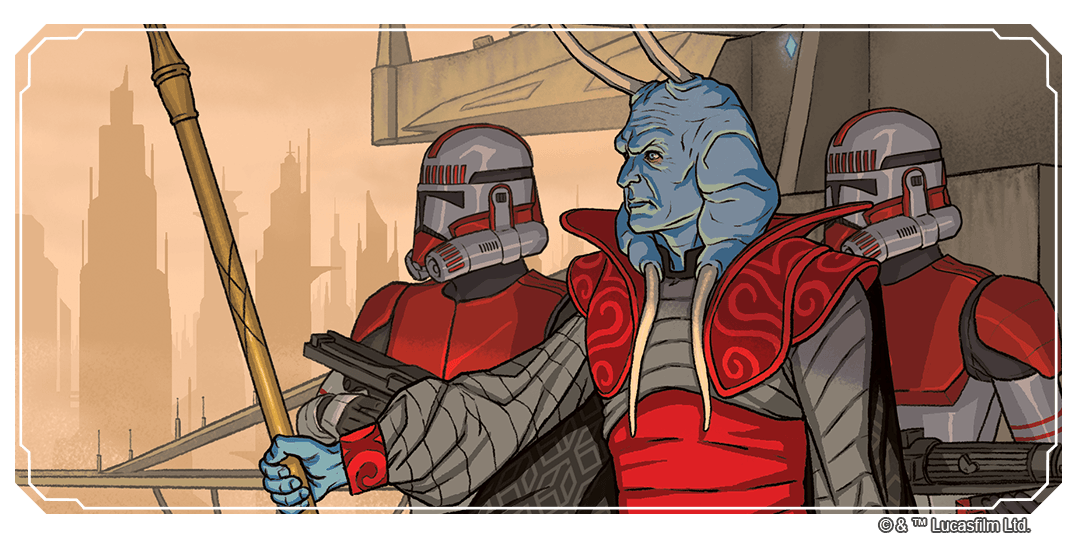
A clear theme in this set is the Official trait, with lots of units that have it, and both units and events that will pay out big if you can play enough of them. Unlike the Force trait in Legends of the Force, it won't be something that nearly every deck cares about, especially in draft, but there are some powerhouse cards that will really make you care when you see them. This will make the strategy more powerful in aspects where the best payoffs are there, though you'll still see other aspects splashing parts of the theme in to fit certain pools.
Command definitely has the strongest push for Official units, with the uncommon Renowned Dignitaries (Secrets of Power, 102) giving Heroism decks a frightening amount of potential healing to swing a game back in your favor. Meanwhile, Command-Villainy decks will have Mas Amedda (Secrets of Power, 84) to create a ton of board value compressed into your leader flip (and many leaders are Official units as well!). Both will be able to rely on cards like Convene the Senate (Secrets of Power, 128) to dig deep and find these powerful plays, so it's shaping up to be a threatening strategy when the cards align, especially when a player opens a game-altering Legendary like Queen Amidala (Secrets of Power, 101), who can avoid damage as long as more Official units continue to hit the board!
Spy Tokens
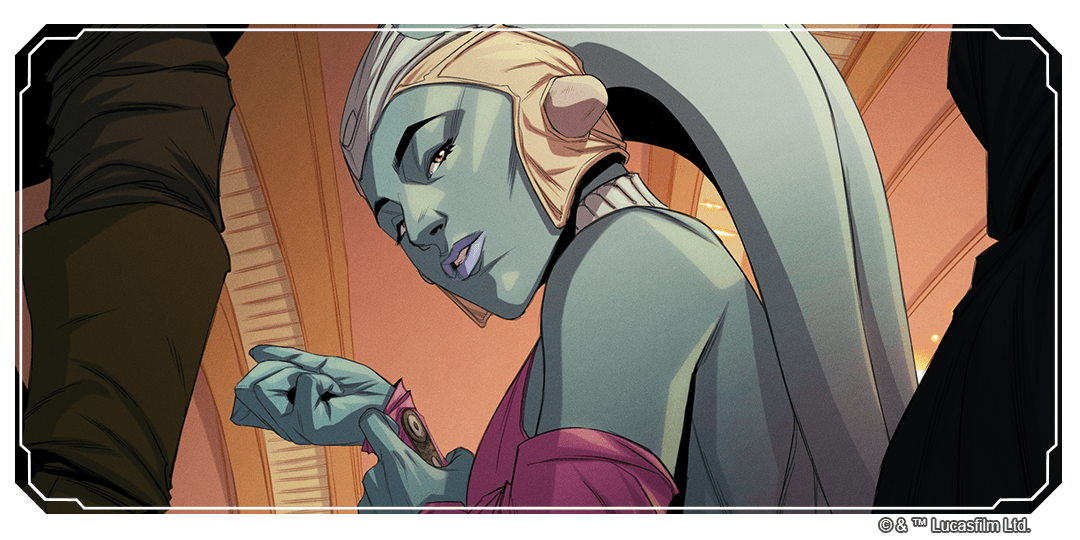
Finally, the two tokens in Secrets of Power are the returning Experience token, and the new Spy (Secrets of Power, T01) token: a 0 power, 2 HP neutral ground unit with Raid 2. Spy tokens are created by all aspects except for Vigilance, and while they may seem a bit weak to being attacked, they fit nicely into archetypal strategies for all three of the aspects that create them; more on that in just a moment!
As 0/2 token units, Spies are a really interesting element in draft, where they can be easily cleared off the board at only a tempo cost to the opponent. But that tempo cost is real, diverting from attacking the base to trying to clear Spies has the potential to put the damage race in the opponent's favor, so how players interact with Spy tokens will be a really great skill-testing moment in games of sealed and draft.
While poor Vigilance was left out of the spy game, don't feel too bad. Vigilance makes up for it with some incredible Experience token production, including Emergency Powers (Secrets of Power, 40), a card that is poised to make some of the funniest stories in the format of units going completely out of control.
Grasping the Aspects
With the main mechanics squared away, it's time to dig a step deeper. Every set of Star Wars: Unlimited is designed with limited play in mind, and part of that design process is fleshing out the ways each primary aspect will play in the limited environment and shaping the set's many cards to fill those roles. The Common leaders—the ones most likely to be found in draft—provide pretty good signposts for what synergies you might be able to build into your deck, while the Rare leaders tend to focus on more niche portions of the card pool or are sometimes not built as much with limited play in mind. Either way, if you are looking to get more competitive in limited formats, knowing these archetypes and their Common leaders is crucial to inform your decisions while drafting or analyzing a sealed pool.
Aggression
Aggression is all about dealing damage, right? In Secrets of Power, we do find some unique twists on the concept for both Heroism and Villainy alignments, as both try their own means at gaining advantage from putting damage on the board:
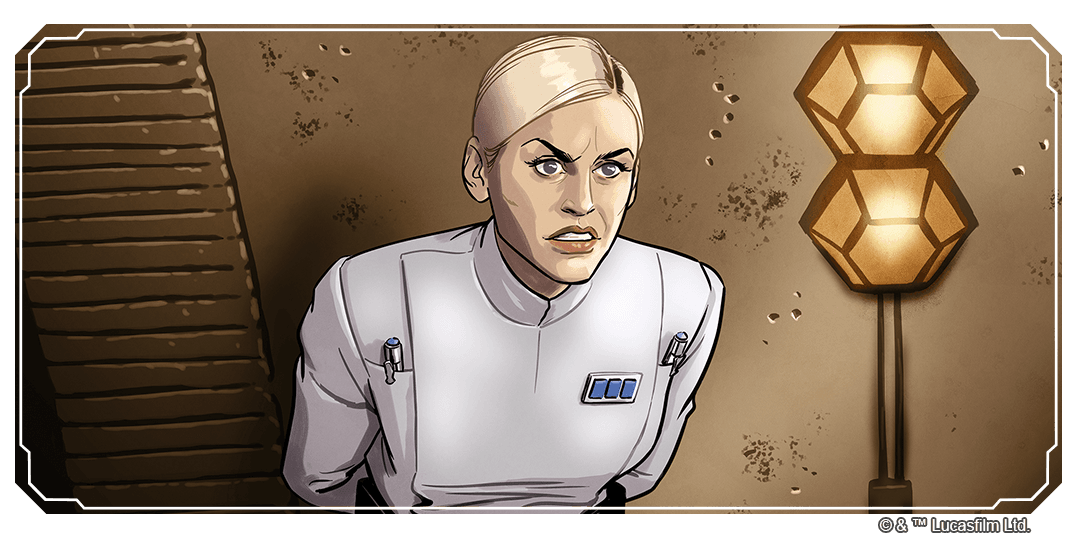
Punishment: Villainy's thematic twist can be seen in its common leader, Dedra Meero (Secrets of Power, 10). While it's not always optimal when an opponent chooses the end result of an effect, the Aggression pool builds in cards like Hunting Assassin Droid (Secrets of Power, 134) that will punish the opponent for leaving damage on their units, while cards like Aggressive Negotiations (Secrets of Power, 179) and even Dedra's unit side punish them for giving you cards as well.
Sacrifice: The Luthen Rael (Secrets of Power, 13) leader inspires Heroism players to make sacrifices for the cause, allowing you to continue damaging their base or units when your units are defeated when attacking into theirs. We can see a host of strong When Defeated abilities throughout Heroism's cards, such as that of Inner Rim Coalition (Secrets of Power, 154), while simple Common units like Corellian Hounds (Secrets of Power, 170) further reward players for attacking and clearing the board by providing a ready, high-powered threat.
Command
Command's area of expertise has always been units—big units, and lots of them—so fittingly, the archetypes for Command in Secrets of Power coalesce around those ideas:
Swarm: With leaders like Colonel Yularen (Secrets of Power, 6) compressing actions, cards like Kino Loy (Secrets of Power, 114) can become threatening in a short amount of time, and Command's basic Common cards like ISB Shuttle (Secrets of Power, 83) can build that board quickly. This archetype will pair well with the options for Spy creation in Cunning and Aggression as well, and the generic utility of the Colonel Yularen leader makes him a top pick for decks looking to end games decisively.
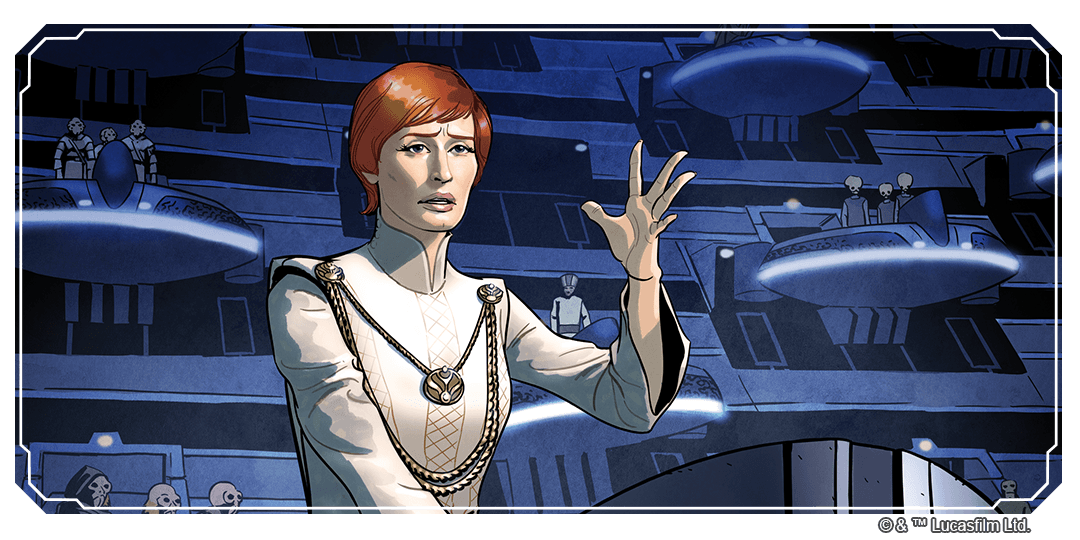
Officials: As mentioned previously, the best payoffs for Official-focused decks are in Command, as well as some of the most expensive endgame threats. Backed up with some light ramp options like GNK Power Droid (Secrets of Power, 110) and Inspiring Senator (Secrets of Power, 261), these decks can build superior stats and play a solid mid-to-long game. At Common rarity, Mon Mothma (Secrets of Power, 9) can be a basis for such a deck while also allowing you to splash in many Official units from other aspects at no penalty.

Cunning
Cunning is exhausting! Well, that's what it wants to do in Secrets of Power, anyway. Cunning has always been the aspect of temporary answers and tempo-oriented plays, and we see two primary forms of that in this set:
Exhausting to Control: With heroism's Common leader C-3PO (Secrets of Power, 15), Cunning decks can control the pace of the game. The leader's condition to exhaust can be fulfilled in a variety of ways; obviously attacking with or playing new units works fantastically, but cards like Regulations Bureaucrat (Secrets of Power, 216) can further control your opponent's resources while opening your ability to hold down the board, and when left unanswered, it locks down the opponent's ability to play on curve.
Exhausting to Attack: Villainy is much more interested in pushing the tempo of the game up rather than down, led by the Common leader Sly Moore (Secrets of Power, 14). Similar to C-3PO, Sly's condition can be fulfilled through all of the exhausting methods in the aspect, but the payoff is to put a lot more damage on the board, rather than to take a lot less. Cards like Lurking Snub Fighter (Secrets of Power, 189) are sure to be common for this deck, helping meet the condition to create Spies on the front side, and setting up to control the board on the back.
Vigilance
Often thought of as a controlling aspect in Premier, Vigilance in limited is often more interested in just being the superior board presence and gaining value through outlasting their opponent's units. We see that at play here once again, with leaders that encourage high HP values to hold down the fort turn after turn.
Building Up: Heroism's Common leader is Leia Organa (Secrets of Power, 4), who will certainly be trickier to build around, as players will have to balance their aspects a little more carefully to meet her “disclose another aspect” requirements. But when you pull it off, you'll get our most open “give a unit an experience” leader effect yet, not limited by stats or traits on the cards she can mentor. Cheap units that can be played under curve like Populist Advisor (Secrets of Power, 41) and Chandrilan Sponsor (Secrets of Power, 43) can quickly become threats and roadblocks, and lucky drafters who find Cassian Andor (Secrets of Power, 42) will give the opponent little time to find an answer before he becomes quite difficult to remove from the board.
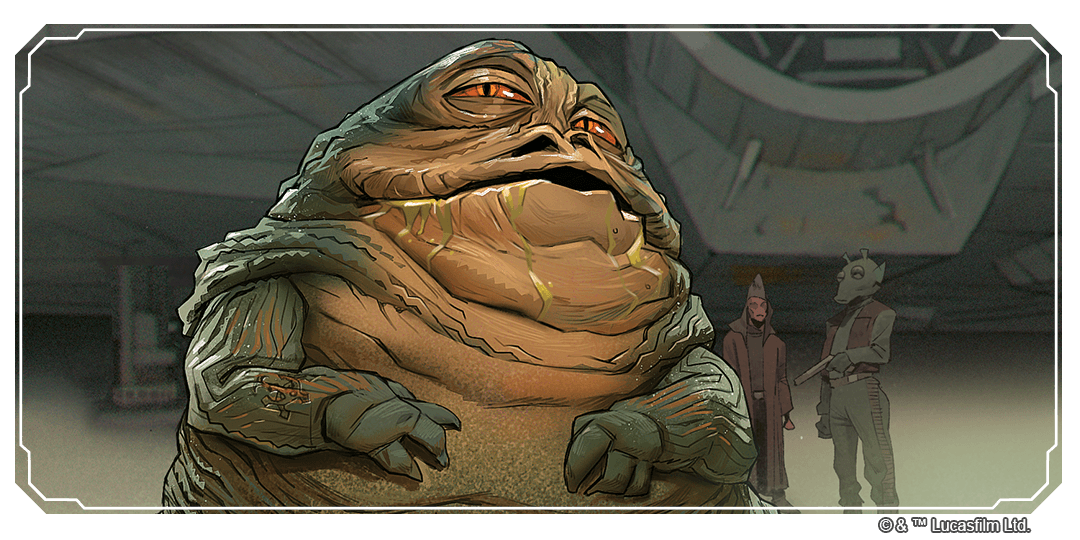
Tearing Down: On the flip side, Jabba the Hutt (Secrets of Power, 2) showcases how naturally high-HP Vigilance units can be exploited for more damage. While any units with decent statlines can attack into a board to get value from his ability, the returning Common card Death Trooper (Secrets of Power, 30) will be a frequent play to immediately impact the board and set up for Jabba's abilities. With his early 5-resource flip and offering rewards for simply playing the game and damaging units, Jabba is poised to be one of the format's powerhouse threats.
While these archetypes aren't the only ones you'll encounter—for example, the Rare leader Lama Su (Secrets of Power, 3) can shine in draft when you have much more control over how many upgrades you can play alongside him—by identifying the design patterns in the set, you'll be much more prepared to find synergies in your card pool or draft picks, leading to stronger decks overall.
Putting it All Together
With a good understanding of the most common leaders and archetypes in limited, and an idea of the most useful cards to build out your powerful decks, hopefully the Secrets of Power are a lot less secret to you now, and you will be more prepared to take some victories going into your next Limited format Planetary or Sector qualifier event. The competition will be stiff as ever, but remember to focus on your fundamentals, be open to learning, and most of all - enjoy the unlimited possibilities of the limited format!
Share This Post